Pack for a Work Trip Around the Meetings That Matter
Coordinate work clothes, presentation equipment and personal essentials without carrying duplicate office supplies.
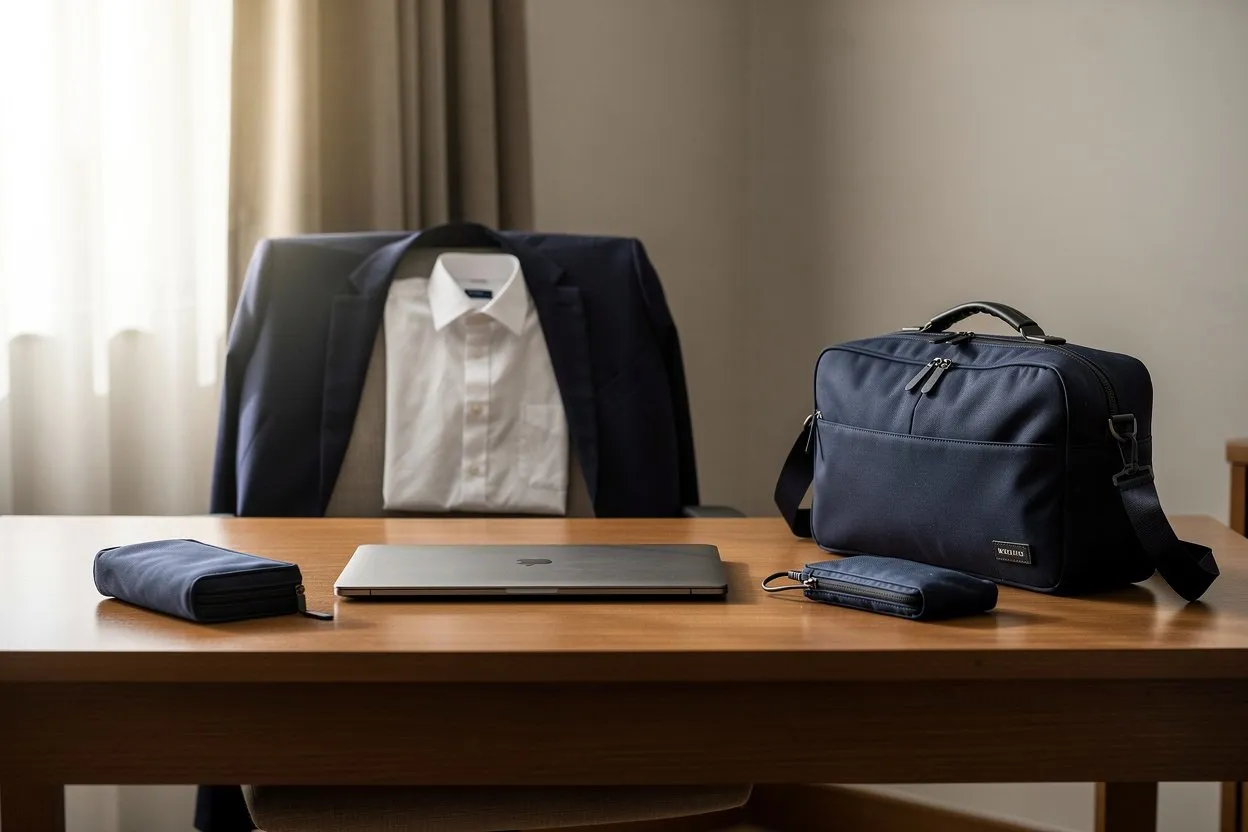
A work-trip bag needs to support a schedule, not recreate your desk. Start with the meetings, dress expectations and equipment you are personally responsible for. Then add the essentials that make travel and downtime comfortable. Separating work requirements from personal preferences helps prevent a bag filled with duplicate accessories while an important adapter or document remains at home.
Confirm the work requirements first
Write down each meeting or event that changes what you need. Check the venue, expected clothing, presentation format and any equipment arrangements with the organizer. Do not assume a room has the exact connector or software you use. If a presentation depends on a particular setup, confirm that setup and prepare an appropriate backup permitted by your organization.
Keep confidential information within your employer’s approved systems. A general travel checklist is not a place to store passwords, private customer details or sensitive documents. Record an action such as “confirm presentation access” rather than copying the information itself into a public or shared note.
Build a wardrobe from the schedule
Choose clothes that cover the formal requirements and can be combined across days. Include the shoes, underlayers and accessories needed to make those outfits complete. Try everything on before packing if the items are not part of your usual weekly rotation. A spare casual outfit is useful only if there is a realistic time and place to wear it.
Check care needs and how the clothing will travel. Fold or pack according to the fabric and any garment instructions, and find out whether suitable facilities are available at the destination. Avoid creating a plan that depends on a service you have not confirmed.
Create one accessible work pouch
Group the small pieces that are easy to forget: charging cable, required adapter, approved storage device and any other confirmed accessory. Label similar cables if needed. Test the full connection before departure, using the actual device and accessory rather than relying on appearance.
Keep essential devices and permitted battery items in the appropriate luggage according to airline and security instructions. Use the operator’s current guidance for your route. Arrange the bag so that equipment can be removed without scattering personal items, and keep liquids contained away from electronics.
Separate packing from preparation
Use the packing list for objects and the trip checklist for actions. “Laptop packed” and “files available offline where permitted” are different tasks. Include check-in details, the venue address, arrival timing and any communication you need to send before leaving.
On the final morning, check chargers still connected to outlets and clothing left hanging. Allow time for a deliberate bag check instead of relying on the previous evening’s list. After returning, remove work documents and equipment from the travel bag promptly, follow your organization’s handling rules and note any missing accessory. That small review makes the next trip easier without keeping a permanently overfilled work bag.