Pack for a Rainy Trip Without Filling the Bag With Backups
Build a practical wet-weather packing plan with accessible layers, protected essentials and a drying routine.
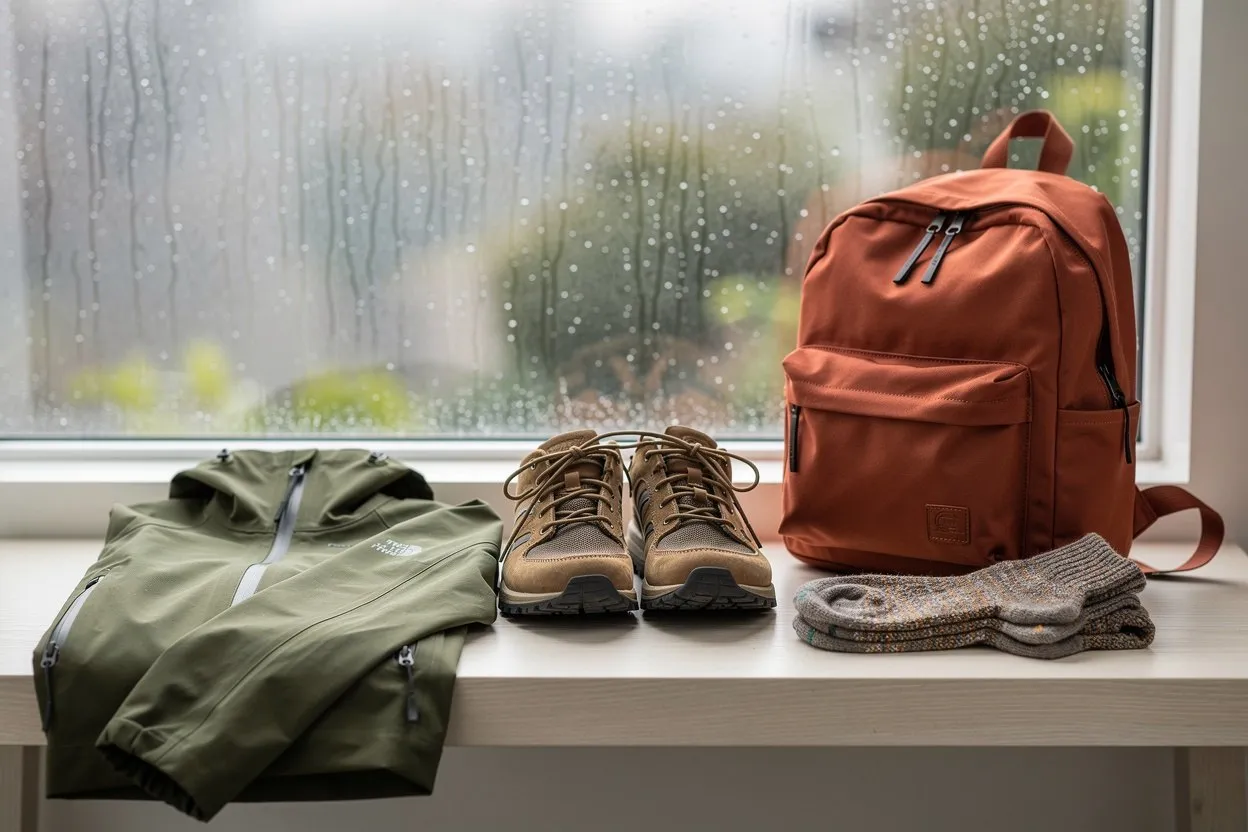
Rain changes how you use a travel bag as much as what goes inside it. A waterproof layer is not very useful if it takes several minutes to find, and a wet item can make the rest of the bag uncomfortable. Plan for access, separation and drying. This guide covers ordinary travel in wet weather, rather than specialized equipment for remote or hazardous conditions.
Match protection to your itinerary
Check the forecast near departure, then consider how much time you will actually spend outside. Moving between covered stations and buildings is different from spending a whole day walking. Choose a rain layer that fits over the clothes you plan to wear. Test the hood, pockets and closure at home instead of discovering awkward details in a crowded street.
An umbrella may suit a city itinerary, while a hands-free layer may be more convenient when carrying bags. You may want both, but each should have a specific job. Check the size and transport suitability of whichever option you choose.
Protect the things that must stay dry
Keep paper documents, charging equipment and a dry change of clothing in protected inner storage. Do not assume every pocket or zipper on a bag is weatherproof. A separate inner pouch can help contain essentials, but only purpose-designed protection should be relied on where actual water immersion is a possibility.
Keep the rain layer near the top of the bag. If it is wet when you return indoors, avoid putting it straight against dry clothing. Use a separate washable bag for temporary transport, and take it out to dry when you have a suitable place. Temporary separation should not become permanent damp storage.
Choose a realistic drying plan
Consider where wet clothing will go at your accommodation. Is there somewhere appropriate to hang it? Are there rules about drying items in the room? Do not place wet clothing on electrical heaters or other equipment not intended for drying. If you expect repeated wet days, give socks and frequently used layers extra attention when deciding quantities.
Choose footwear for the conditions and your activity, then think about what happens if it becomes wet. Packing many spare outfits does not compensate for shoes that remain uncomfortable. For an ordinary city trip, an additional dry pair of socks and a sensible route adjustment may be more useful than an entire duplicate wardrobe.
Update the list after the forecast changes
Create a weather-based starting point with the packing list tool, then edit it using your itinerary. Add a specific “wet items” pouch and place the rain layer in a location you can remember. Keep frequently needed items accessible without opening the main clothing compartment in the rain.
The day before departure, review the forecast and adjust only the affected items. Avoid adding everything again out of uncertainty. After the trip, dry the bag and its pouches fully before storing them, check any care instructions and note what worked. The useful lesson may be about where you packed something rather than about buying more equipment.