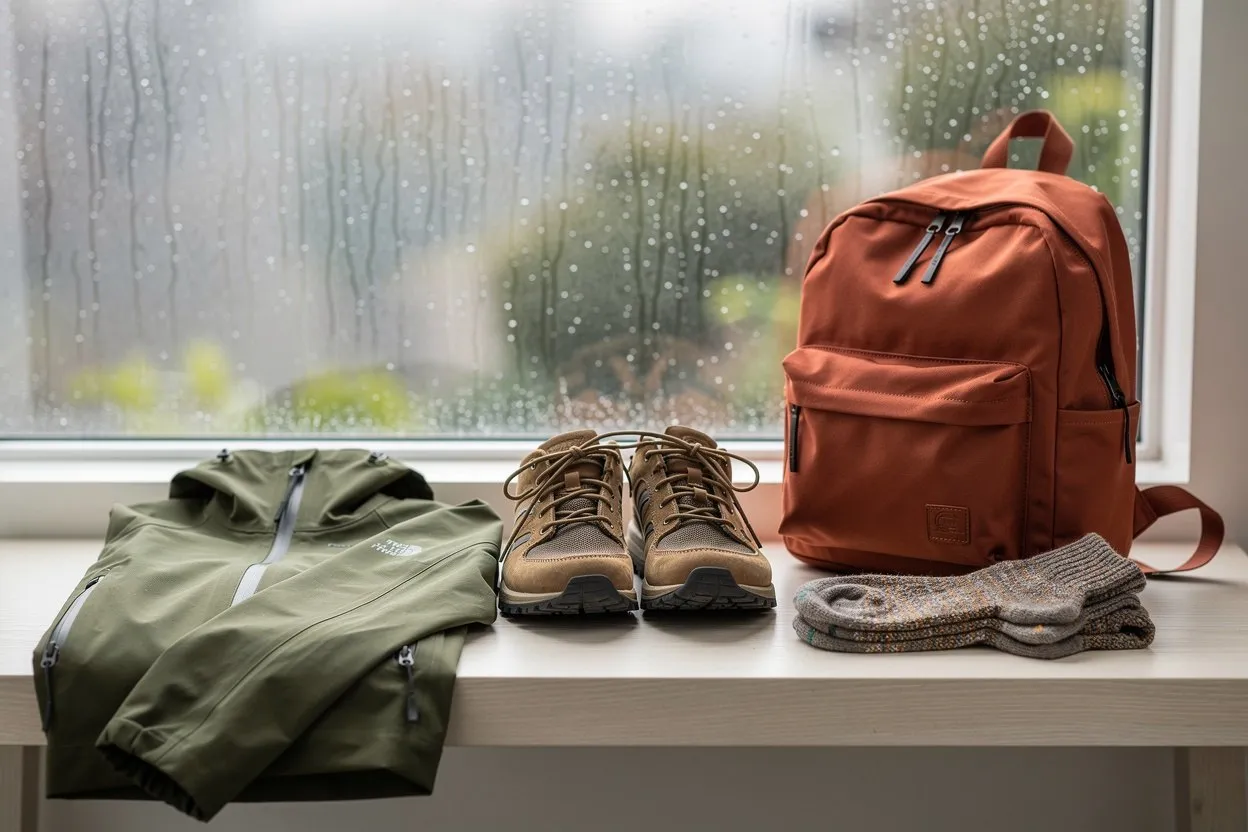
Pack for a Weekend City Break With One Small Bag
Plan a compact city-break bag around walking, changing weather and one realistic evening outfit.
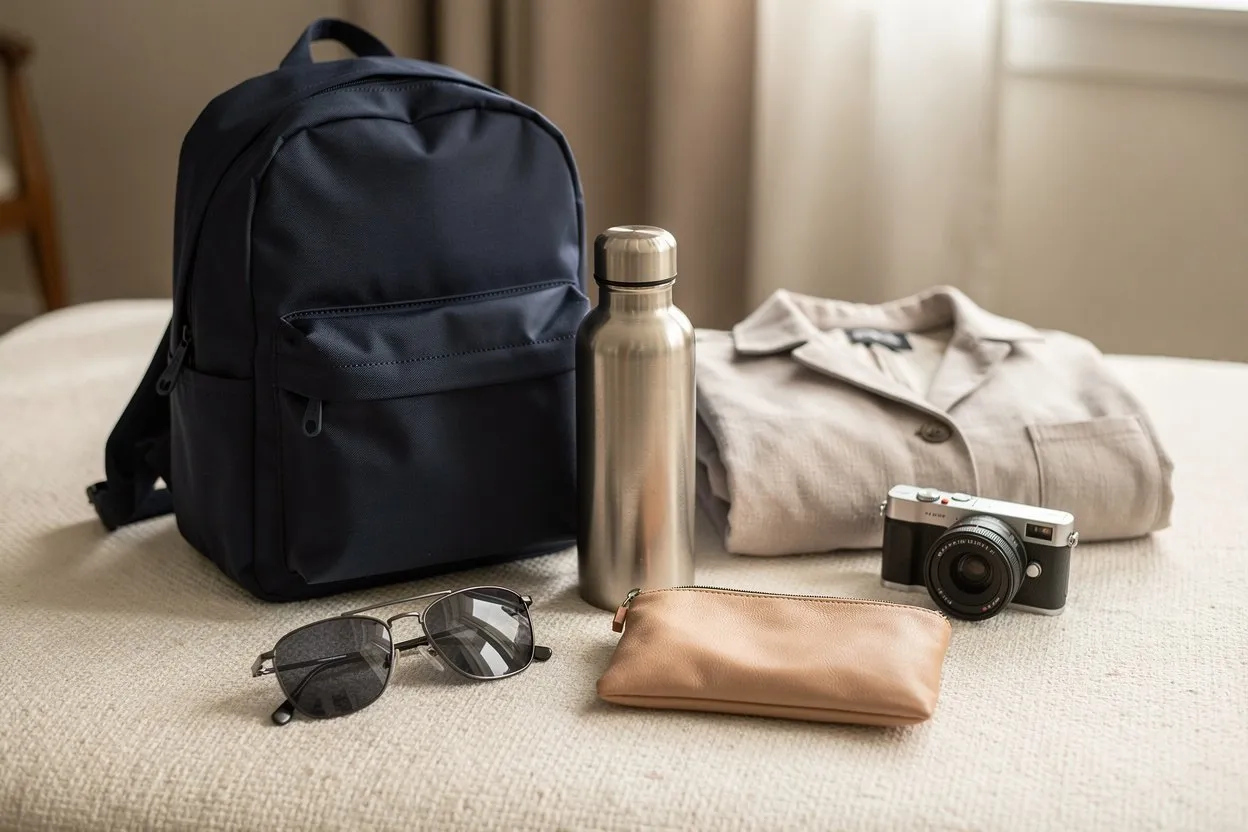
A weekend city break often involves more walking and more transitions than its short length suggests. You may move from a train or flight to a hotel, spend the day outside and then head straight to dinner. Pack for that sequence rather than for an imagined set of separate occasions. A small bag works best when its contents share jobs and your first-needed items are easy to reach.
Sketch two ordinary days
Write down the main plans for each day, including travel time. Identify any dress requirement, booked activity or equipment that changes the list. A museum and a casual dinner may use the same clothes; a formal event may not. Check accommodation details so you know whether towels, toiletries or other useful items are supplied.
Build a first version in the packing list tool using the actual number of days and likely conditions. Remove items that do not fit your plans, then add the specific exceptions. A generated list is a starting point; it cannot know your restaurant booking or how you prefer to dress.
Make walking comfort the default
Choose footwear you already know is comfortable for the expected amount of walking. A weekend away is an inconvenient time to discover that new shoes rub. Pack socks or other layers that work with those shoes. If another pair is necessary, check whether it fits without compressing toiletries or damaging delicate clothing.
Bring a layer that suits the forecast and your route between indoor and outdoor spaces. Keep it accessible rather than buried beneath spare outfits. For a short visit, one useful layer is often more practical than several pieces that cannot be worn together.
Keep a small arrival kit
Before packing clothes, set aside the things you need between leaving home and reaching your room. These may include a travel document, reservation details, essential medication, phone cable and a small personal comfort item. Store them in one accessible location. Do not pack essential information only on a device that may run out of charge.
Save the accommodation address and arrival instructions in a form you can access without relying on a live data connection. Check the actual transport operator’s baggage rules and any venue restrictions that affect the bag you intend to carry during the day.
Prepare for the return journey
Leave space for worn clothes and any small purchase you realistically expect to bring home. If a bag only closes when everything is folded exactly once, it will be frustrating to repack in a hurry. Take a small laundry bag and make sure toiletries remain contained after the first use.
Use the trip checklist for actions such as downloading arrival details, charging devices and checking out on time. Keep these tasks separate from physical items: “phone charged” is not the same as “charger packed.” Before leaving your room, look behind bathroom doors, beside outlets and inside drawers. A short, repeatable departure sweep is more dependable than relying on a feeling that everything has been collected.