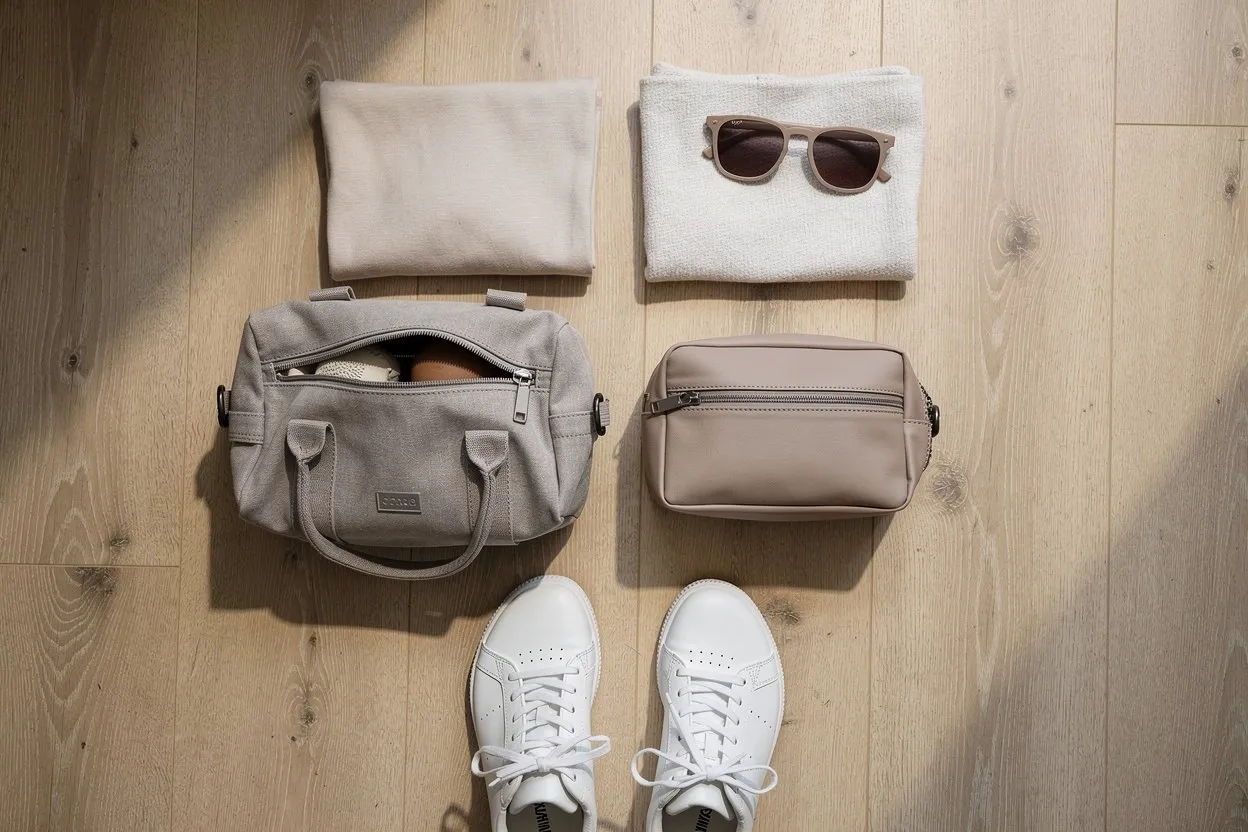
Choose a Small Travel Wardrobe That Works Together
Build a small wardrobe around real activities, comfortable layers and clothes you already wear together.
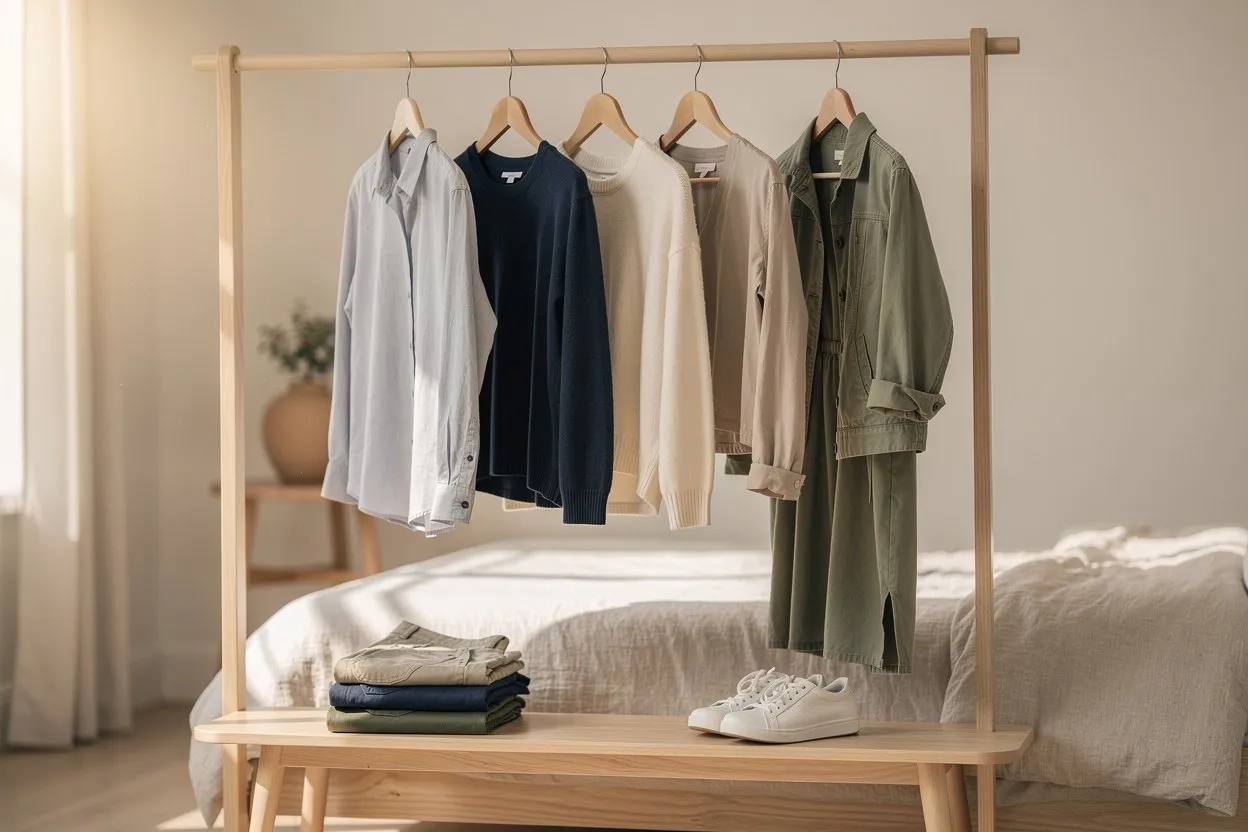
A travel capsule is simply a small set of clothes that works together. It does not need a fashionable color rule or a fixed number of pieces. The useful test is whether the clothes cover your actual activities, fit comfortably and can be combined without requiring several extra accessories. Start with familiar outfits rather than buying a completely new wardrobe for a hypothetical trip.
Choose the anchor pieces
Pick the bottoms and shoes first because they often take the most space and determine what else works. One comfortable everyday bottom and a second option may cover a short trip, while a work event or outdoor activity can justify something more specific. Write down the job of each item. If two pieces have exactly the same role, decide whether laundry access or personal comfort makes the duplicate worthwhile.
Choose tops that work with more than one bottom. You do not need every possible combination, but one top that only works with one packed item is less flexible than another that works with both. Lay the choices beside each other rather than judging them individually in a wardrobe.
Plan layers, not a second wardrobe
A comfortable base outfit plus an appropriate warmer or weather-resistant layer can cover changing conditions without adding a separate outfit for every forecast. Check that the layers actually fit over each other. Tight sleeves, an awkward collar or a coat that will not close are problems a list cannot show.
Avoid assuming that a thin layer will replace specialized clothing for demanding conditions. This approach is intended for ordinary travel wardrobes. Match any outdoor or work clothing to the specific activity, venue and conditions, and use specialist guidance where necessary.
Test a day from the itinerary
Imagine a realistic day: walking to breakfast, riding public transport, visiting an attraction and going out for dinner. Build that outfit from the selected items, including socks, underlayers and shoes. Then try a second day with different weather. Note where the plan breaks down. Often the missing piece is a practical layer, not another complete outfit.
For a four-day trip, you might reuse a bottom while changing the pieces that need more frequent washing. Your preferences, climate and activities determine what is comfortable. If you dislike rewearing a particular item, include that choice honestly instead of designing a list you will abandon while packing.
Make the final edit with the bag open
Use the packing list tool to record the selected pieces and their quantities. Keep event clothing in its own group so it cannot disappear during a minimalism-inspired edit. Add sleepwear, underwear and any required accessories explicitly; these are easy to overlook when focusing on visible outfits.
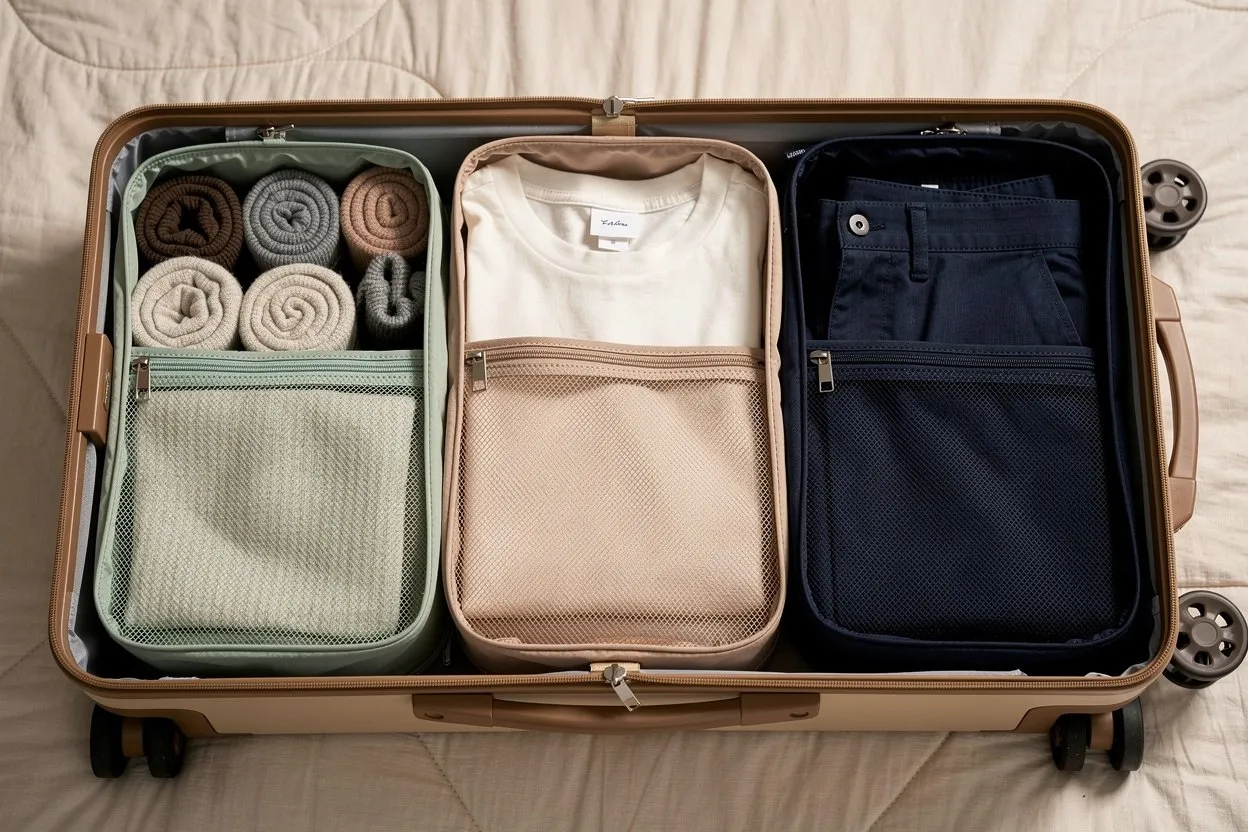
Pack everything once and check the bag’s closure and weight against your transport allowance. If it is too full, remove the least useful duplicate before removing something that makes an outfit functional. After the trip, record the combinations you actually wore. That short note gives you a practical starting point next time, while allowing the list to change with the season and destination.