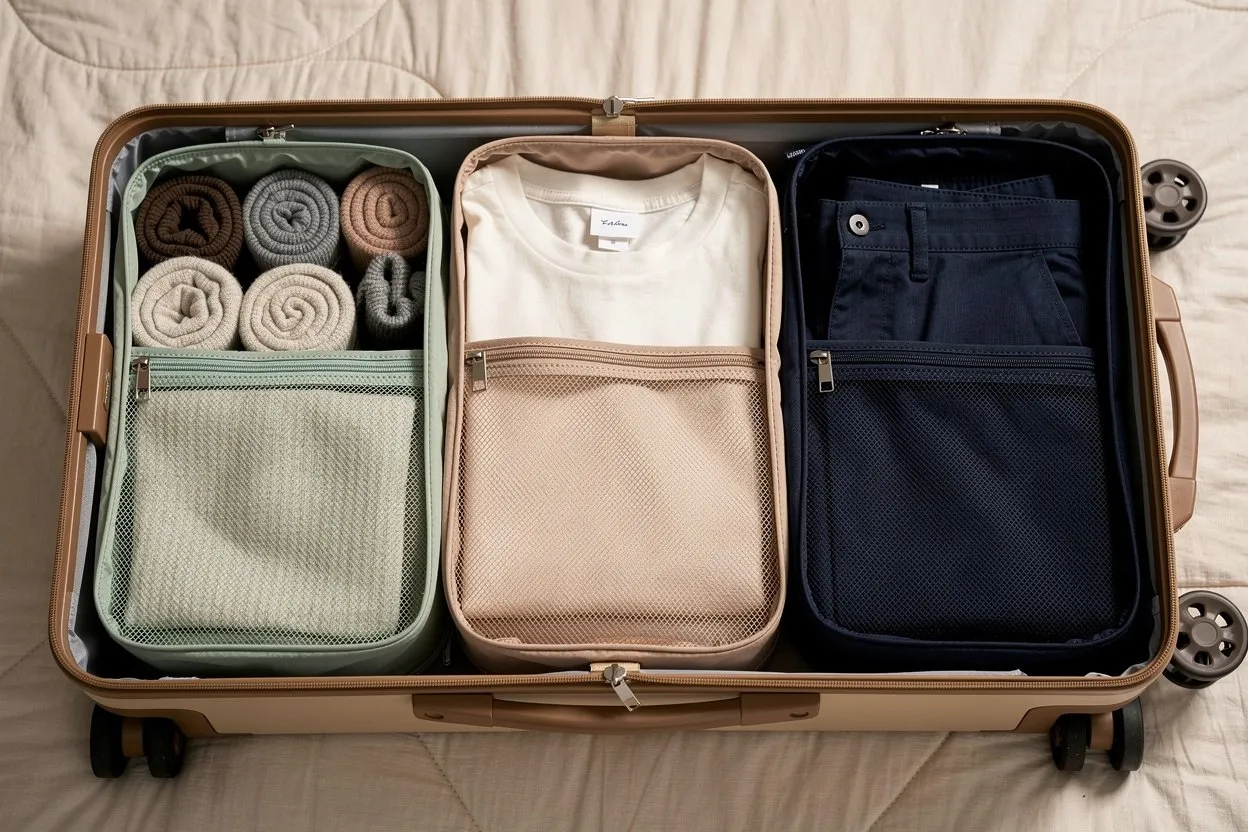
Build a Carry-On Packing List Around Your Actual Trip
Choose a practical carry-on list from your itinerary, laundry access and bag space, then test it before departure.
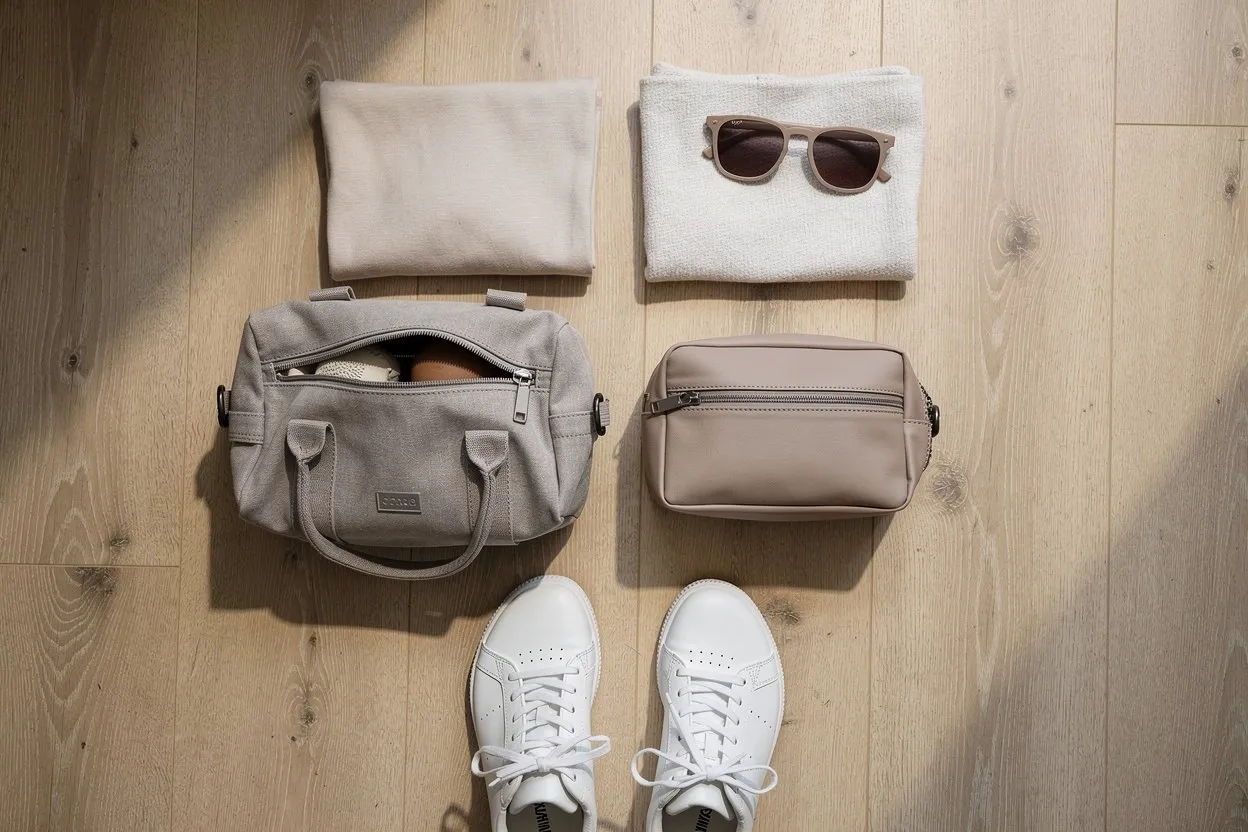
A useful packing list begins with what you will do, not with everything a traveler might possibly need. A museum weekend, a wedding and a week of day hikes need different bags even when the weather looks similar. Start with one short itinerary and give every item a reason to come along. You can build an editable starting point with the packing list tool.
Turn the itinerary into requirements
Write the nights away, main activities and any outfit that has a specific job. Note whether laundry is available and whether you are willing to use it. Three nights with no laundry means a different underwear plan from ten nights with a wash halfway through. Count travel days too: the clothes you wear on the outward journey are part of your wardrobe, not an extra set outside the calculation.
Separate requirements from preferences. A particular shoe may be needed for a formal event; a second pair of casual shoes may simply offer variety. Put requirements in the bag first. If an activity needs bulky equipment, find out whether it can be borrowed or rented before reshaping the entire list around it.
Choose combinations before individual pieces
Lay out a small set of tops and bottoms and check that most work together. For a simple three-night city trip, an example might be two spare tops, one spare bottom, sleepwear and enough underwear for each day. This is a starting example, not a universal count. Add layers according to the conditions and your comfort, and include any event-specific clothing deliberately.
Try the combinations at home. A shirt that only matches the shoes you decided to leave behind is not helping. Wear your bulkiest comfortable layer during travel only if the temperature and journey make that sensible; saving bag volume should not make the trip unpleasant.
Group by when you need access
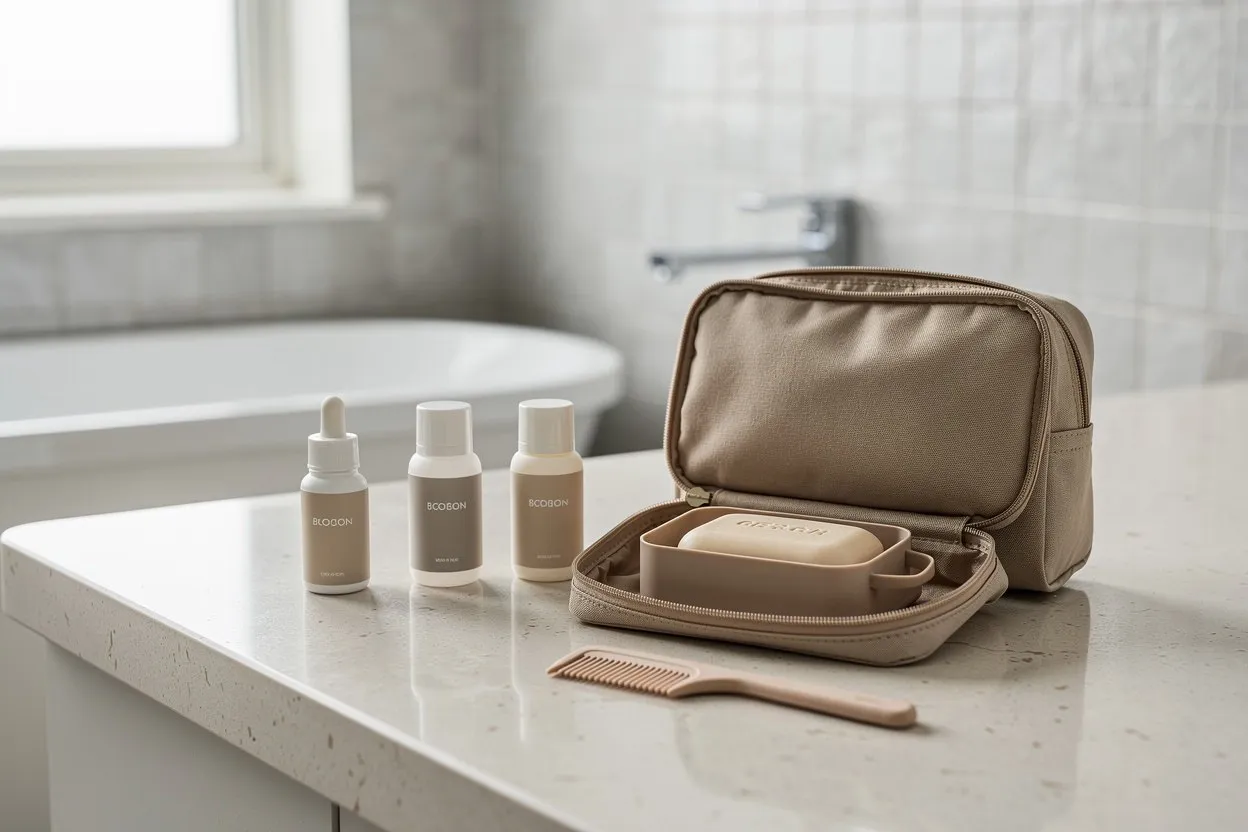
Keep journey essentials together: travel documents, essential medication, a charging cable and whatever you expect to use while seated. Place these where you can reach them without unpacking your clothes. Put toiletries in a contained pouch and separate anything that could leak from paper documents and electronics.
Check your airline’s current baggage allowance and the relevant security rules before committing to a bag. Size, weight and permitted contents are separate questions. The IATA baggage overview explains that restrictions depend on applicable rules; your operating airline and departure authorities are the sources for your specific journey.
Run a real packing test
Pack the actual bag, close it without forcing the zip and carry it for several minutes. Open it again as if you were at a checkpoint or a train seat. If retrieving one cable dislodges half the contents, change the organization rather than buying another pouch immediately.
Keep a small amount of unallocated room for the return trip. Finally, mark which items are already packed and which are still being used at home. A checked box should mean the item is inside the bag. After returning, remove items you did not use from the next version unless they serve a clear backup purpose.