Unpack and Reset Your Travel Kit in One Short Session
Use a practical return-home routine to dry equipment, restock essentials and improve your next packing list.
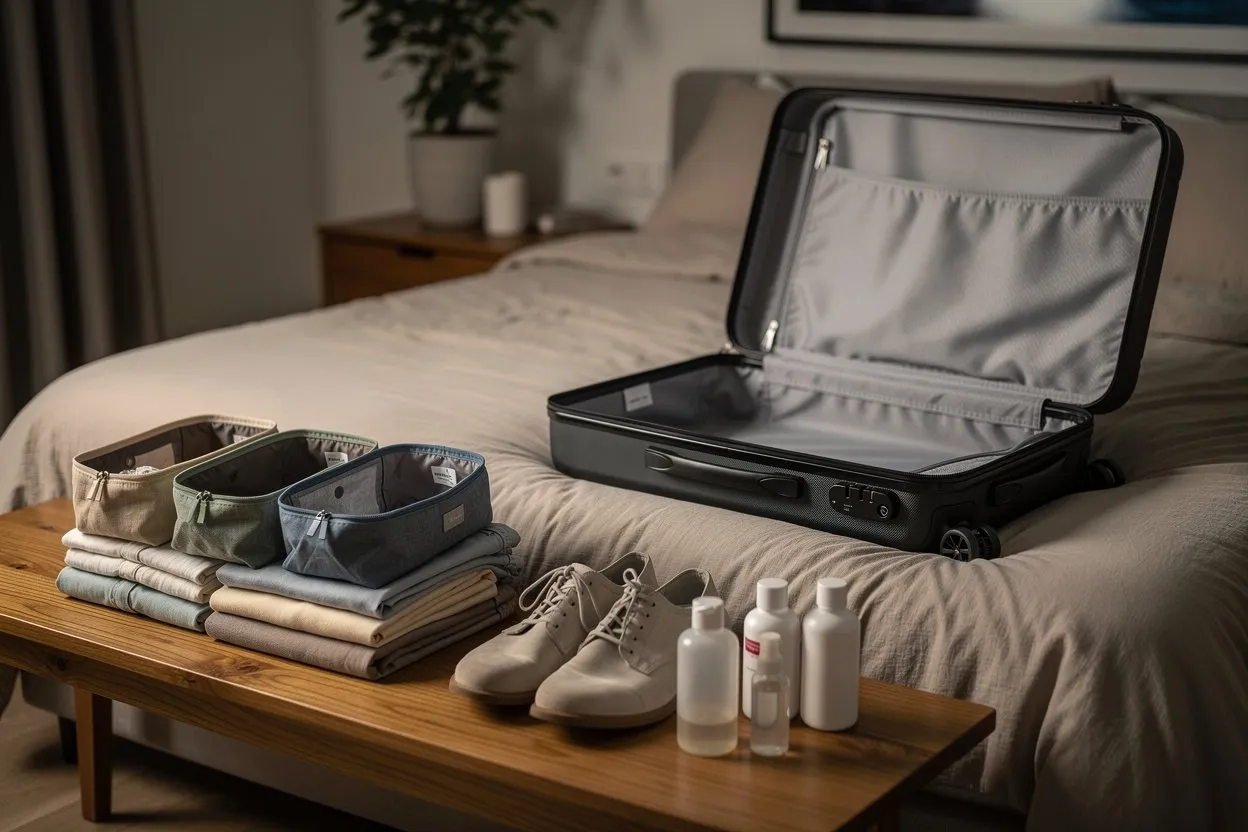
The easiest time to improve a packing list is while the trip is still fresh in your mind. Unpacking gives you evidence: what you used, what leaked, what was awkward to find and what stayed untouched. A short reset routine turns that evidence into a better starting point for the next trip without leaving a half-packed bag in the corner for weeks.
Deal with damp and dirty items first
Remove wet clothing, towels and shoes before organizing anything else. Follow their care instructions and give the bag or pouches a chance to dry if needed. Empty loose sand, crumbs or rubbish in an appropriate place. Check pockets before washing clothing, especially for tickets, coins and small electronic accessories.
Keep cleaning tasks separate from storage. A pouch that looks tidy when closed may still contain residue or a damp cloth. Clean and dry reusable containers according to their material and product instructions before putting them away. Do not mix unknown leftovers simply to reduce the number of bottles.
Return everyday items to their normal places
Put essential medication, documents, chargers and other regularly used belongings back where they belong. Avoid leaving important items in a travel bag because you might need them for a future trip. Check hidden pockets and compartments methodically so that the next use does not begin with a search for a missing cable or document.
Separate dedicated travel items from everyday ones. A spare pouch can stay with the bag; the only charger for your phone probably should not. If you maintain a ready-to-pack kit, label it clearly and check its contents periodically rather than assuming it remains complete indefinitely.
Review the list with three questions
For each unused item, ask whether it was an unnecessary duplicate, a reasonable backup or needed for an activity that changed. Do not remove a useful contingency item solely because one trip did not require it. For each missing item, decide whether it belongs on every list or only on this type of trip.
Then look at access problems. If you unpacked the bag repeatedly to reach one item, change its location. If a cube was always half empty, a smaller pouch or a simpler arrangement may help. These observations often improve the experience more than buying additional travel equipment.
Save one clear version for next time
Update the packing list with the actual changes, and use the trip checklist to record any preparation action you missed. Give the saved trip a descriptive name so that a beach-week list is not mistaken for a work-trip template later.
Your saved data belongs to the current browser or app storage and can be lost if that storage is cleared. Keep any essential records in a separate dependable place. Finish by storing the bag dry, with zips and straps arranged so they are not under unnecessary strain. The goal is a clean, understandable kit and a useful note, not a permanently packed bag containing things you need at home.